Achieving clean and precise concrete placement is crucial for the success and longevity of any construction project. Whether you're a seasoned contractor or a DIY enthusiast, mastering the art of concrete pouring ensures structural integrity and aesthetic appeal. Let's explore essential tips and techniques for achieving professional-quality results.

Planning and Preparation
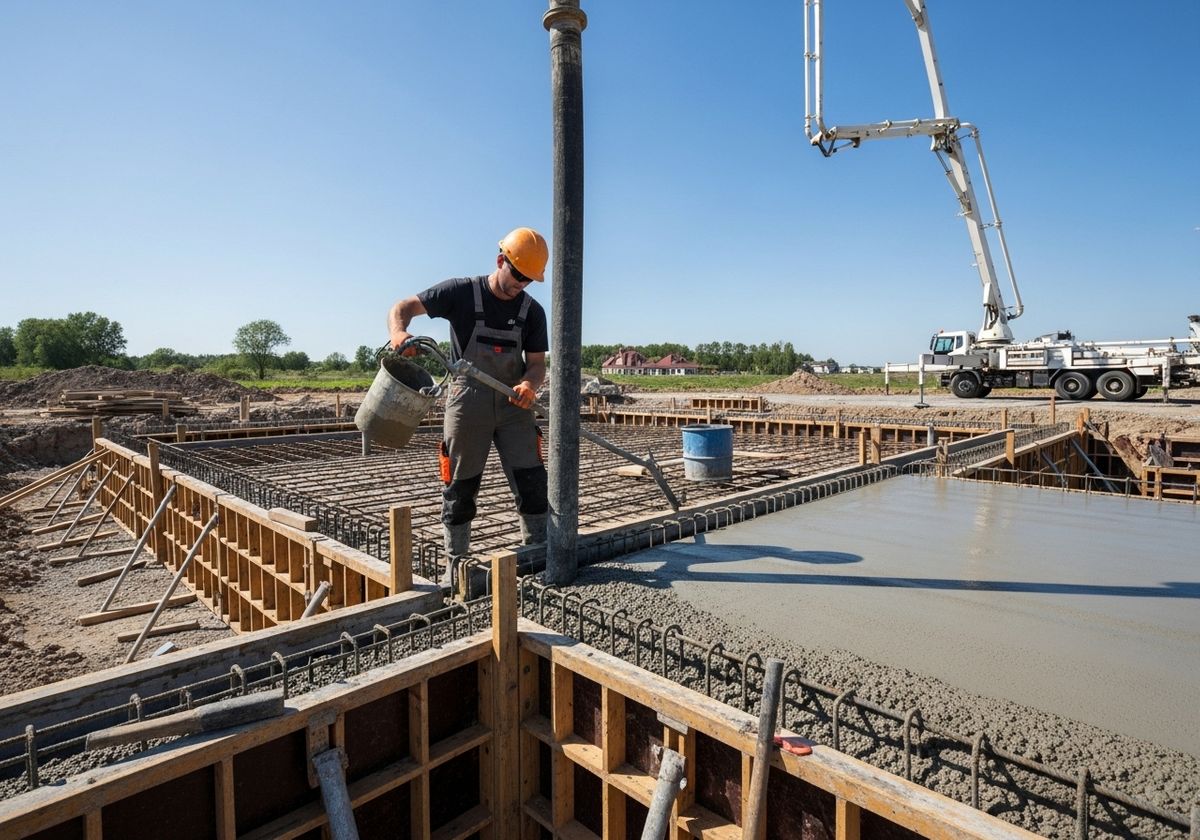
Thorough planning is the first step toward a successful concrete pour. Begin by accurately estimating the amount of concrete needed to avoid shortages or excess material. Next, prepare the site by clearing debris, leveling the ground, and constructing proper formwork. Ensure the forms are sturdy, well-braced, and sealed to prevent leakage. Consider the use of release agents to facilitate easy removal of the forms after the concrete has cured.
Choosing the Right Concrete Mix
The concrete mix design plays a significant role in the final outcome. Factors such as water-cement ratio, aggregate size, and admixtures affect the concrete's workability, strength, and durability. For general applications, a standard mix is often suitable, but specialized projects may require custom blends. Consulting with concrete suppliers or engineers can help determine the optimal mix for your specific needs.
Efficient Pouring Techniques
Efficient pouring techniques are essential for minimizing segregation and ensuring uniform consolidation. Start by placing the concrete as close to its final location as possible, avoiding excessive horizontal movement. Use appropriate tools, such as shovels or rakes, to distribute the concrete evenly within the forms. For larger projects, consider using a concrete boom pump rental to expedite the process and improve accuracy. Overlapping each pour slightly helps to knit the sections together, reducing the risk of cold joints.
Consolidation and Vibration
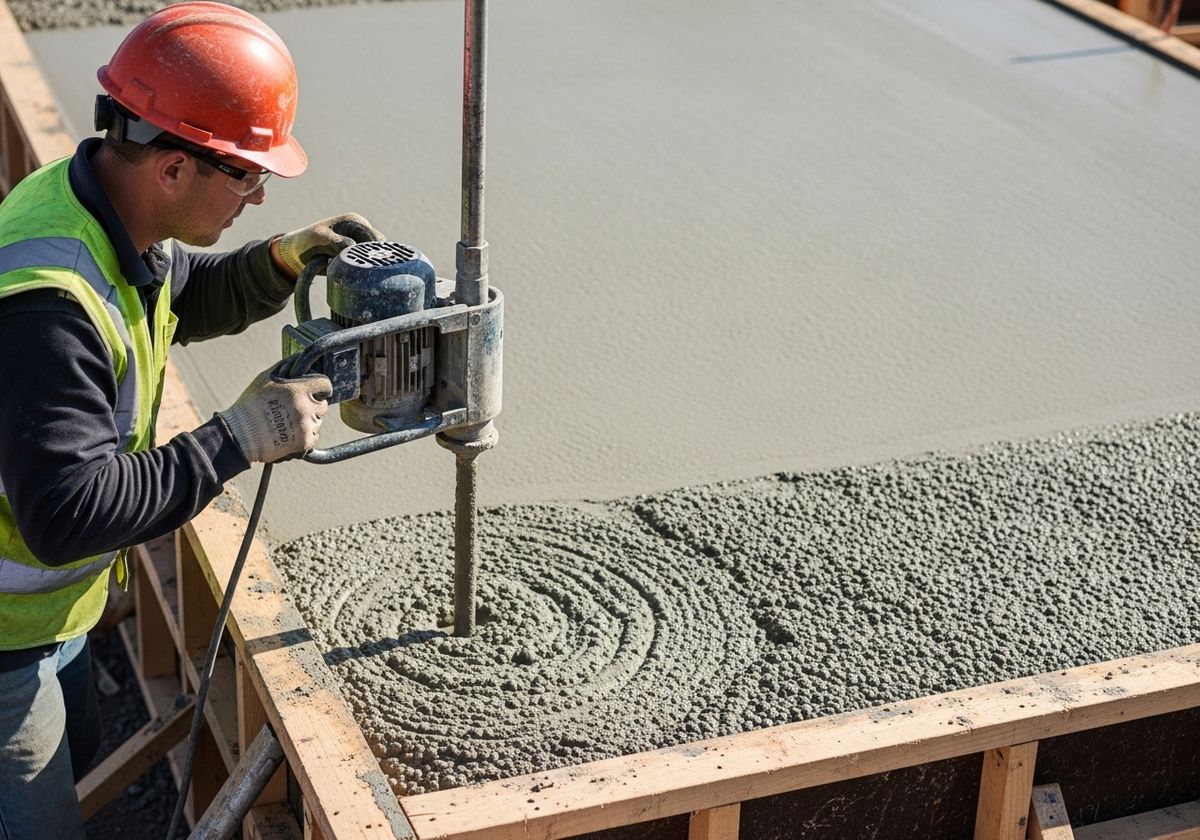
Proper consolidation is crucial for removing air pockets and ensuring intimate contact between the concrete and the reinforcement. Use a vibrator to consolidate the concrete, taking care not to over-vibrate, which can lead to segregation. Insert the vibrator vertically into the concrete at regular intervals, allowing it to penetrate a few inches into the previous layer. Avoid touching the forms or reinforcement with the vibrator to prevent damage or displacement.
Finishing and Curing
Once the concrete has been poured and consolidated, it's time to focus on finishing. Use a bull float or darby to level the surface and remove any imperfections. Allow the concrete to bleed (surface water to evaporate) before proceeding with further finishing operations, such as troweling or broom finishing. Proper curing is essential for achieving optimal strength and durability. Keep the concrete moist for at least seven days by covering it with plastic sheeting, wet burlap, or applying a curing compound.
Achieving clean and precise concrete placement requires careful planning, the right materials, and skilled execution. By following these tips, you can ensure professional-quality results that stand the test of time. If you're seeking reliable concrete pumping service in Central Alabama to streamline your next project, look no further than Rushing Pumping. With our experienced team and state-of-the-art equipment, including concrete boom pump rental, we're dedicated to providing efficient and precise concrete placement solutions. Contact us today to discover how we can assist you with your next project!