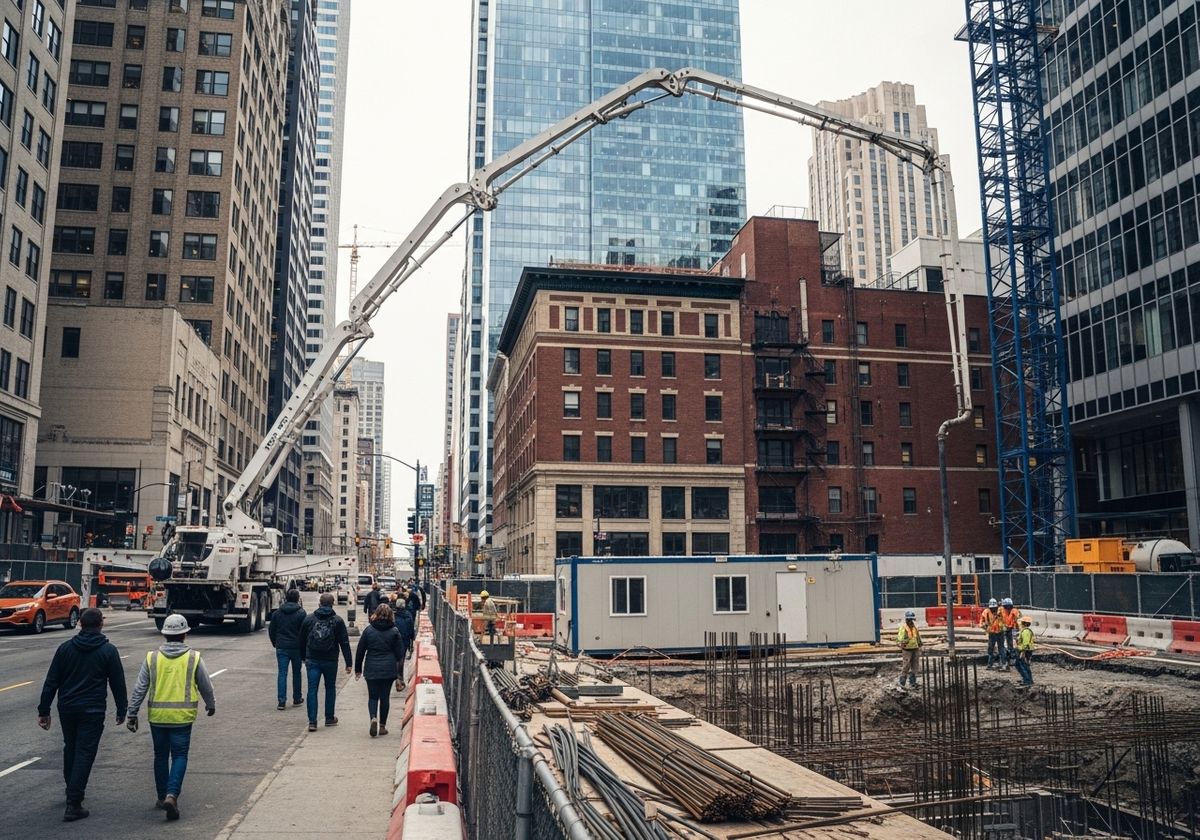
Working in urban environments presents unique challenges for concrete contractors. Space is often limited, access can be difficult, and the need to minimize disruption is paramount. Efficient concrete placement is key to keeping projects on schedule and within budget. This is where specialized concrete pumping services become invaluable.
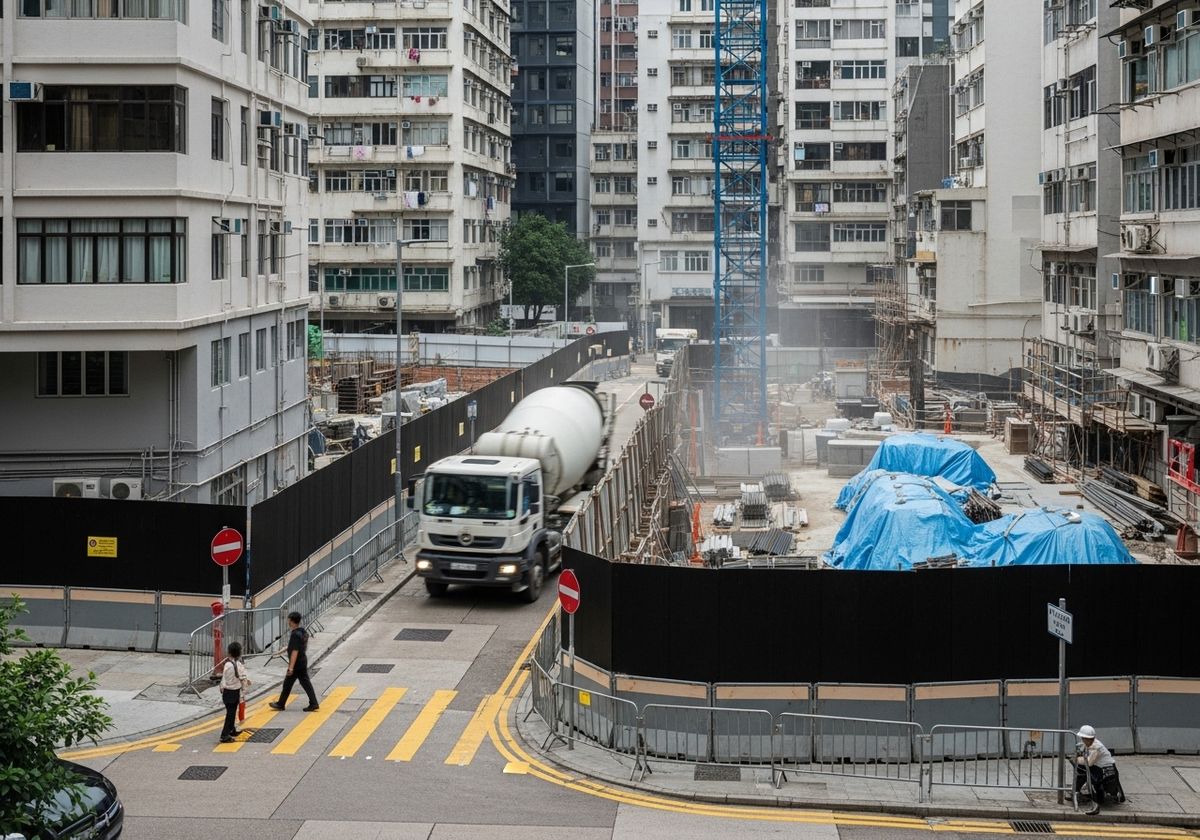
The Challenges of Confined Urban Sites
Urban construction sites often grapple with several key constraints:
Limited Space: Tight property lines and existing infrastructure leave little room for equipment maneuvering.
Accessibility: Narrow streets, overhead obstructions, and pedestrian traffic can hinder access for concrete trucks.
Noise Restrictions: Urban areas often have strict noise ordinances, limiting the hours during which concrete pours can take place.
Environmental Concerns: Dust and spills must be carefully managed to minimize environmental impact.
Concrete Pumping: A Solution for Tight Spaces
Concrete pumping offers a way to overcome these challenges. By using a pump to transport concrete from the delivery truck to the point of placement, contractors can:
Reduce Congestion: Concrete trucks can remain parked on the street while the pump delivers concrete to the site, minimizing traffic disruption.
Improve Accuracy: Pumps allow for precise placement of concrete, reducing waste and improving the quality of the finished product.
Increase Efficiency: Concrete can be placed much faster with a pump than with traditional methods, saving time and labor costs.
Choosing the Right Pumping Solution
For confined urban sites, two types of concrete pumps are particularly well-suited:
Concrete Boom Pumps: These pumps have a long, articulated arm (the "boom") that can reach over obstacles and deliver concrete to elevated or hard-to-reach areas. Boom pumps are ideal for high-rise construction, bridge work, and other projects where vertical reach is required.
Concrete Line Pumps: These pumps use a system of hoses to deliver concrete to the point of placement. Line pumps are more compact and maneuverable than boom pumps, making them ideal for smaller sites with limited access, such as backyard patios, sidewalks, and foundations.
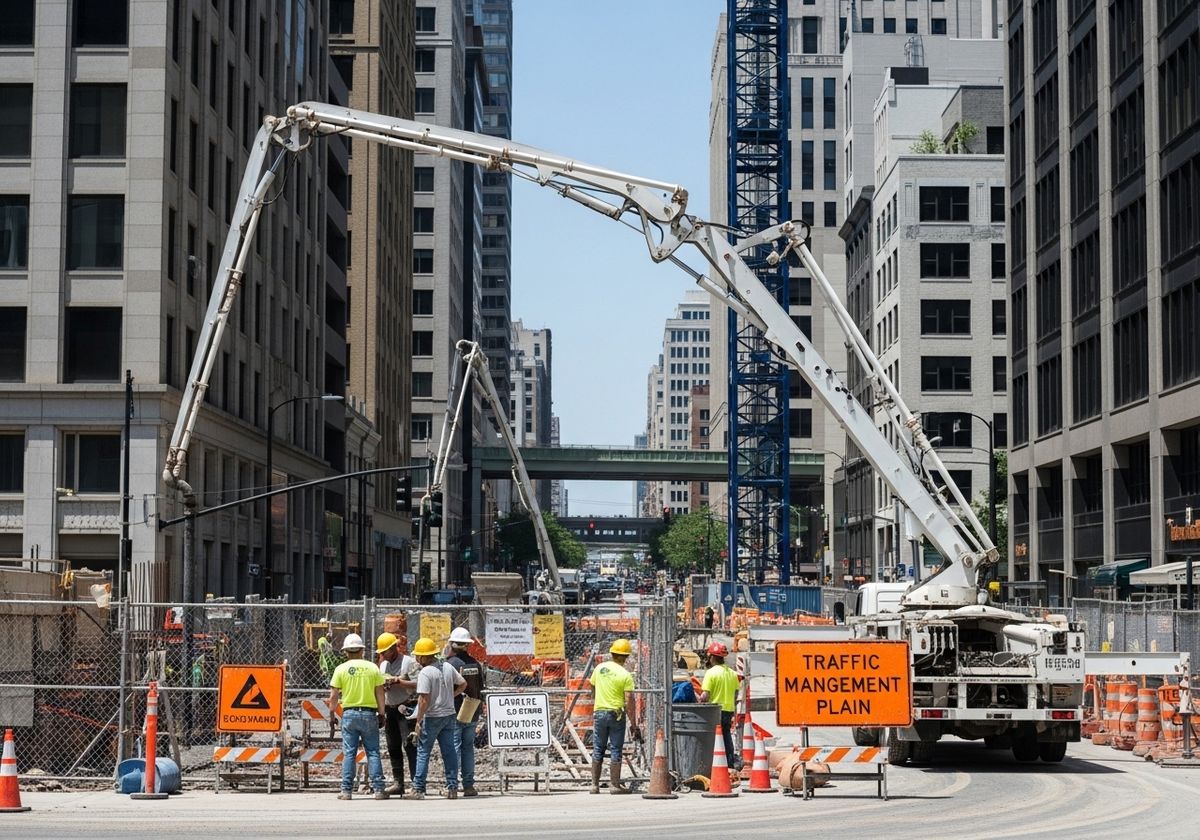
Planning for a Successful Concrete Pour
To ensure a smooth and efficient concrete pour in a confined urban site, it is essential to plan carefully. This includes:
Site Assessment: Evaluate the site to identify any potential obstacles or access challenges.
Pump Selection: Choose the right type of pump based on the size and layout of the site, as well as the volume and distance of the concrete pour.
Traffic Management: Develop a plan to manage traffic flow and minimize disruption to the surrounding area.
Communication: Maintain clear communication between the concrete supplier, the pump operator, and the construction crew.
Successfully navigating concrete pours in tight urban spaces requires careful planning and the right equipment. By understanding the challenges and utilizing the appropriate concrete pumping service, commercial contractors can ensure efficient, precise, and timely project completion.
For reliable concrete pumping in Central Alabama, trust Rushing Pumping. With our modern fleet and experienced operators, we're ready to tackle your most challenging projects. Contact us today to discuss your project needs or learn more about our concrete boom pump rental options.