
When it comes to commercial construction, understanding the ins and outs of concrete pump specifications is crucial for project success. Choosing the right pump can significantly impact efficiency, costs, and the overall quality of the concrete pour. This guide breaks down what commercial contractors need to know to make informed decisions.
Understanding Concrete Pump Types
There are primarily two types of concrete pumps that commercial contractors should be familiar with:
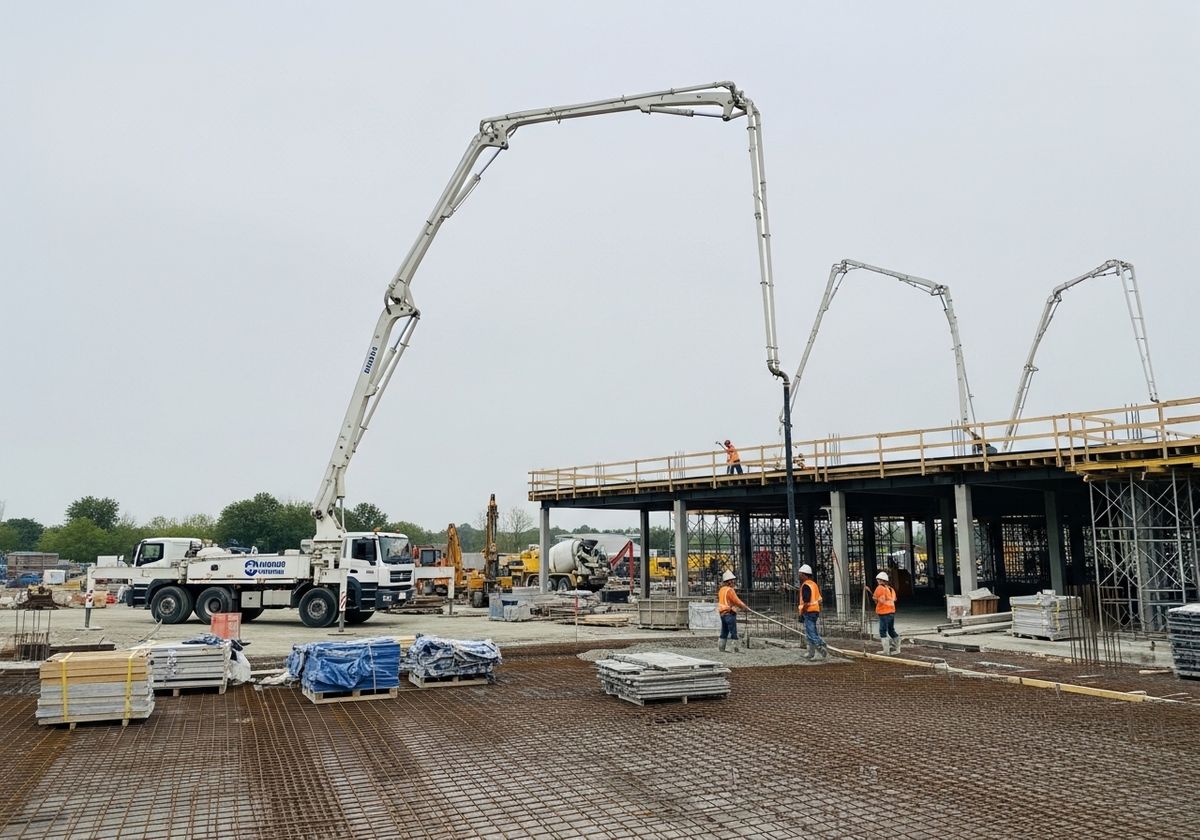
Boom Pumps: These pumps utilize a hydraulic arm (the "boom") to place concrete precisely where it's needed. They are ideal for large-scale projects, high-rise buildings, and situations where access is limited. Boom pumps offer excellent reach and versatility.
Line Pumps (or Ground Pumps): These pumps use a system of hoses to deliver concrete from the pump to the placement area. They are best suited for smaller to medium-sized projects, such as foundations, slabs, and swimming pools. Line pumps are more flexible in navigating obstacles and tight spaces.
Key Specifications to Consider
When evaluating concrete pumps, pay close attention to these specifications:
Pumping Capacity: Measured in cubic yards per hour, this indicates how much concrete the pump can move in a given time. Match the pumping capacity to the volume of concrete required for your project to avoid delays.
Horizontal and Vertical Reach: For boom pumps, understand the maximum horizontal and vertical distances the boom can extend. Ensure the pump can reach all areas of the construction site.
Hose Diameter and Length: For line pumps, consider the diameter and length of the hoses. Larger diameters allow for higher flow rates, while longer hoses provide greater reach.
Pressure Rating: This indicates the maximum pressure the pump can generate. Higher pressure is needed for pumping concrete over long distances or to elevated heights.
Power Source: Concrete pumps can be powered by diesel engines or electric motors. Diesel pumps are more mobile and suitable for outdoor use, while electric pumps are quieter and produce zero emissions, making them ideal for indoor or urban environments.
Why Proper Pump Selection Matters
Choosing the right concrete pump offers several benefits:
Increased Efficiency: The appropriate pump ensures a smooth and continuous concrete pour, reducing labor costs and project timelines.
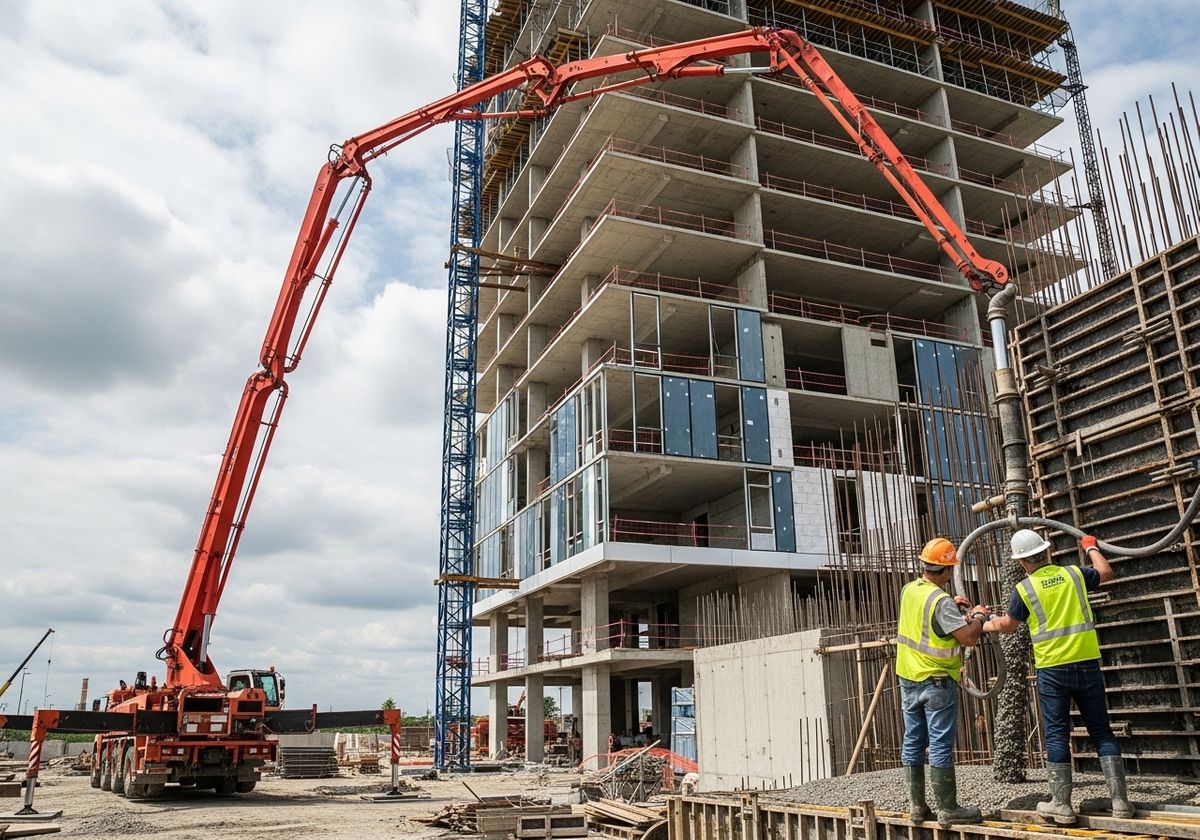
Improved Accuracy: Boom pumps, in particular, allow for precise concrete placement, minimizing waste and ensuring structural integrity.
Enhanced Safety: Using the right pump reduces the need for manual labor and minimizes the risk of accidents on the job site.
Cost Savings: By optimizing concrete placement and reducing labor, the right pump can lead to significant cost savings over the course of a project.
Understanding concrete pump specifications is essential for commercial contractors looking to optimize their operations. By carefully considering the type of pump, key specifications, and project requirements, contractors can ensure efficient, accurate, and cost-effective concrete placement.
Rushing Pumping is dedicated to providing reliable concrete pumping services to Central Alabama. Our modern fleet and trained professionals ensure a smooth and efficient pour. Contact us today to discuss your project needs and learn more about our concrete boom pump rental and line pump options. Check out our website to learn more about how our trusted concrete company can help make your next project a success!